
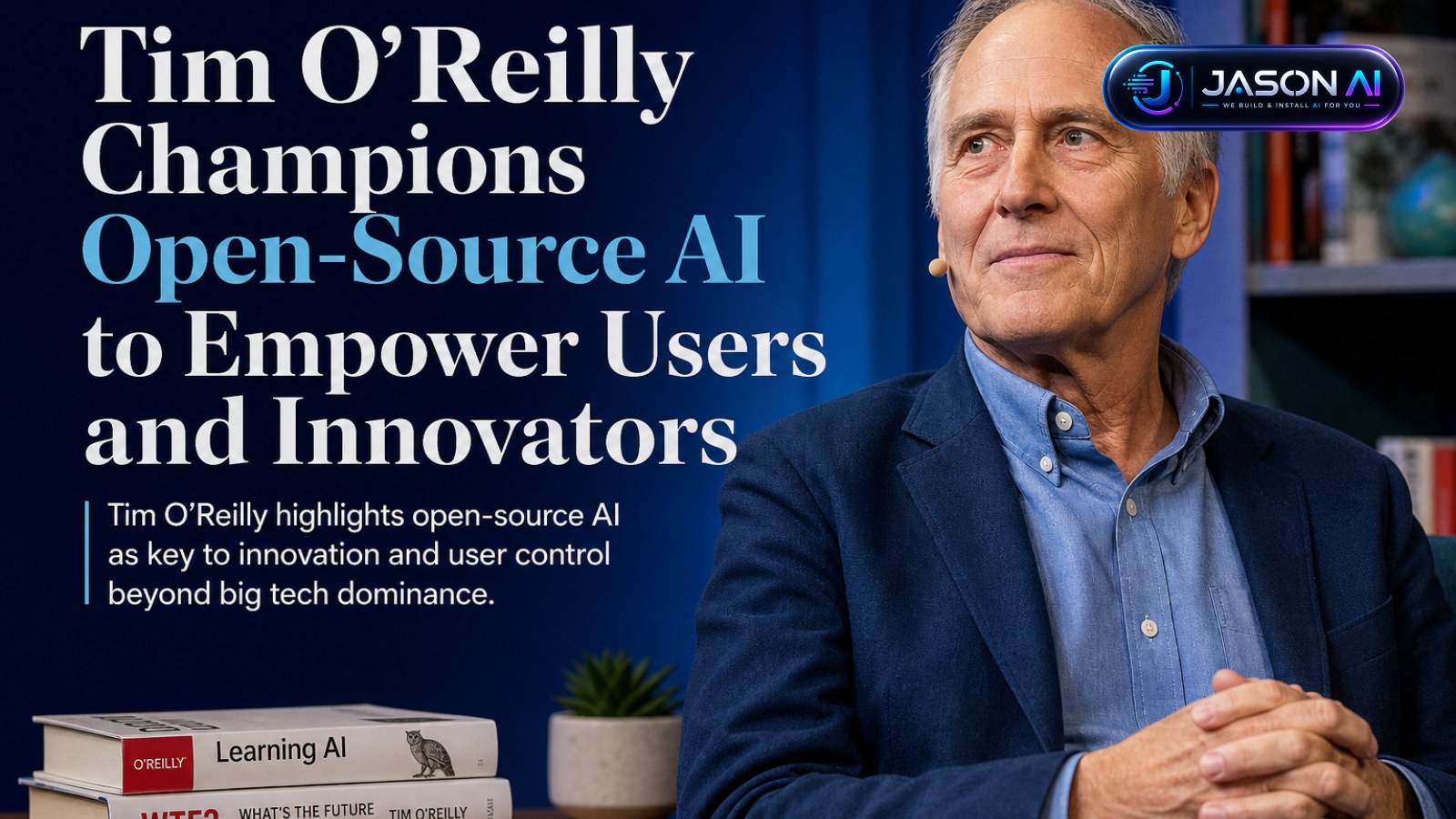
Tim O’Reilly, a well-known publisher and tech thought leader, argues that the future of AI lies in open-source models rather than the closed systems developed by major AI labs. His perspective highlights the importance of giving users and developers the freedom to innovate and customise AI tools, rather than locking them into proprietary platforms.
Open-Source AI as a Path to User Control and Innovation
O’Reilly emphasises that open-source AI means more than just open access to model weights; it involves unlocking the entire AI system architecture. This approach allows users to separate the model from the application and the underlying framework, enabling them to add their own unique features or "special sauce." He warns that current big AI labs prioritise control and tracking over user freedom, which may limit the practical uses of AI for everyday people and businesses.
He draws a parallel with the 1990s tech landscape, where Microsoft’s dominance was challenged by open systems that promoted wider participation. O’Reilly believes a similar shift could happen in AI, with open-source models becoming the foundation for broad societal adoption and innovation.
Challenges and Opportunities in the AI Landscape
- Security concerns: While some fear open-source AI could be exploited by bad actors, O’Reilly notes that most cybersecurity incidents have actually come from frontier proprietary models, suggesting that transparency might improve safety.
- Market dynamics: He critiques the current AI investment model, where large sums funnel into a few companies, arguing this approach stifles innovation. Instead, he sees open-source AI as a grassroots movement that could disrupt the status quo.
- Practical impact: For businesses and creators, open-source AI offers the chance to customise tools to specific needs, avoid vendor lock-in, and maintain control over data and context.
O’Reilly’s own work with AI tools in publishing reflects this philosophy, aiming to help experts share knowledge effectively while adapting to AI’s growing role. He views AI not as a threat to human creativity but as a new medium that can augment and inspire original work.
While the future of AI remains uncertain, O’Reilly’s advocacy for open-source models highlights a practical path forward where users have greater agency and innovation flourishes outside the confines of dominant corporate platforms.
For those interested in exploring AI tools that prioritise openness and user control, JASON AI offers practical solutions designed to empower creators and businesses alike. Learn more at https://jasonjuul.com.
Disclaimer: This article presents perspectives and analysis based on current discussions in AI development. The capabilities and impacts of AI technologies continue to evolve, and outcomes may vary depending on implementation and context.