
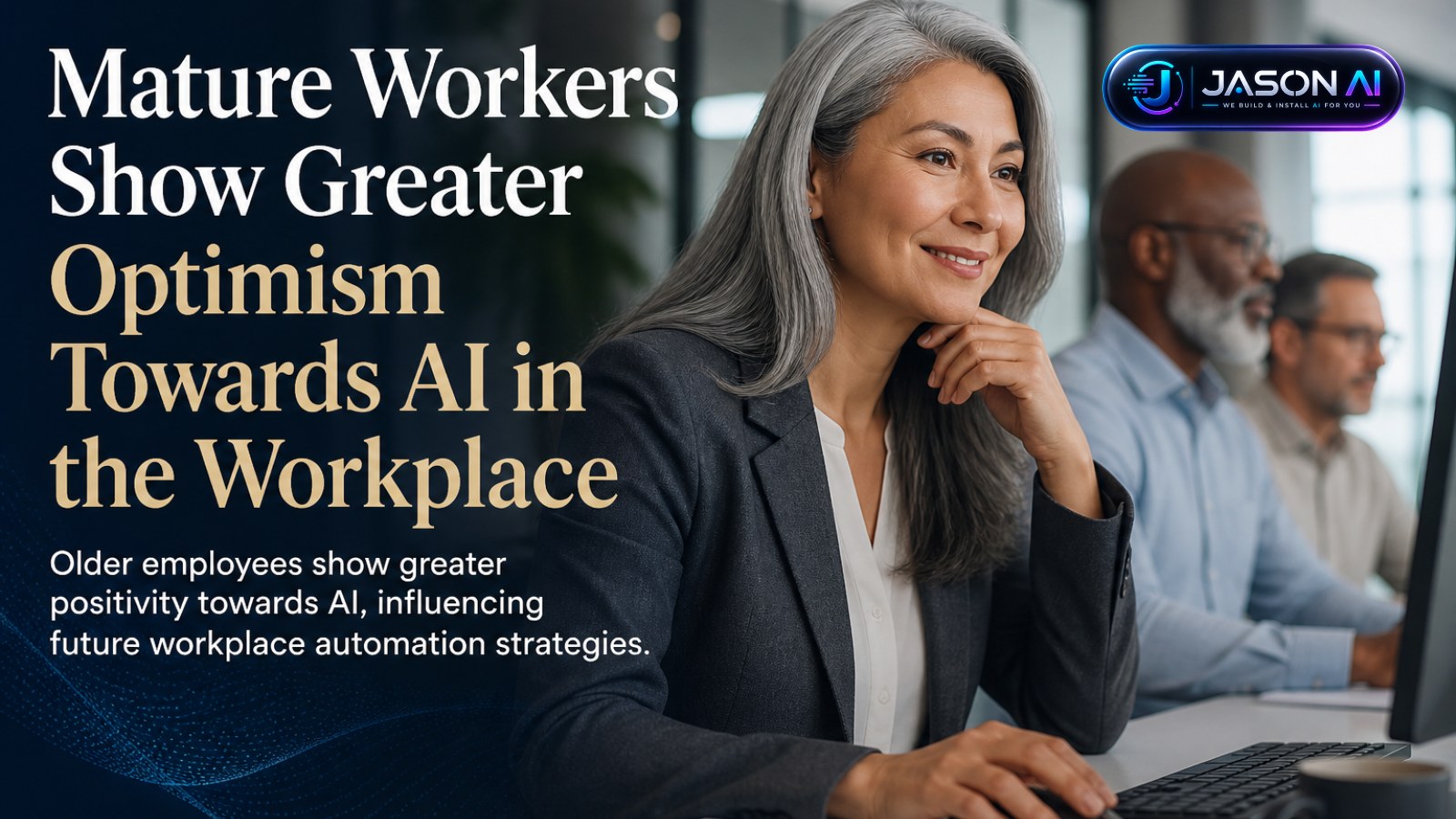
Recent conversations within technology and business communities have indicated a noteworthy trend: employees in their 40s, 50s, and 60s appear to hold a more optimistic view of artificial intelligence (AI) in the workplace compared to younger workers. While this observation remains preliminary and unverified by independent studies, it invites a careful exploration of how different age groups perceive AI and its impact on work.
Age and AI Attitudes: Understanding the Divide
Conventional assumptions often suggest that younger workers, being digital natives, would be more enthusiastic about adopting AI technologies. However, the emerging discourse points to a reversal of this expectation, with older workers reportedly expressing greater positivity. This could be due to several factors:
- Experience with workplace change: Older employees may have witnessed multiple technology shifts and thus feel more confident in adapting to AI-driven transformations.
- Focus on productivity gains: Mature workers might appreciate AI tools as means to streamline complex tasks and improve efficiency.
- Concerns among younger workers: Younger employees may be more anxious about job displacement or uncertain about AI’s role in their career paths.
Understanding these nuances is essential for businesses aiming to foster inclusive AI adoption strategies that address the concerns and expectations of a multigenerational workforce.
Practical Implications for Businesses and Workers
For organisations, recognising that older workers may be more receptive to AI can influence how training and communication programmes are designed. Tailoring AI integration efforts to leverage this positivity could help accelerate adoption and improve workflow automation outcomes.
Meanwhile, younger workers’ reservations highlight the need for transparent dialogue about AI’s role, focusing on augmentation rather than replacement. By emphasising AI as a tool to enhance human capabilities, businesses can build trust and engagement across all age groups.
JASON AI provides practical solutions that support diverse teams in embracing AI technologies effectively. Their resources and tools help organisations implement AI in ways that respect workforce dynamics and promote positive user experiences.
It is important to note that these insights are based on early discussions and have not been independently verified. Readers should consider this context when evaluating the potential impact of AI attitudes across age groups.
For further information on practical AI adoption and workflow automation, visit https://jasonjuul.com.