
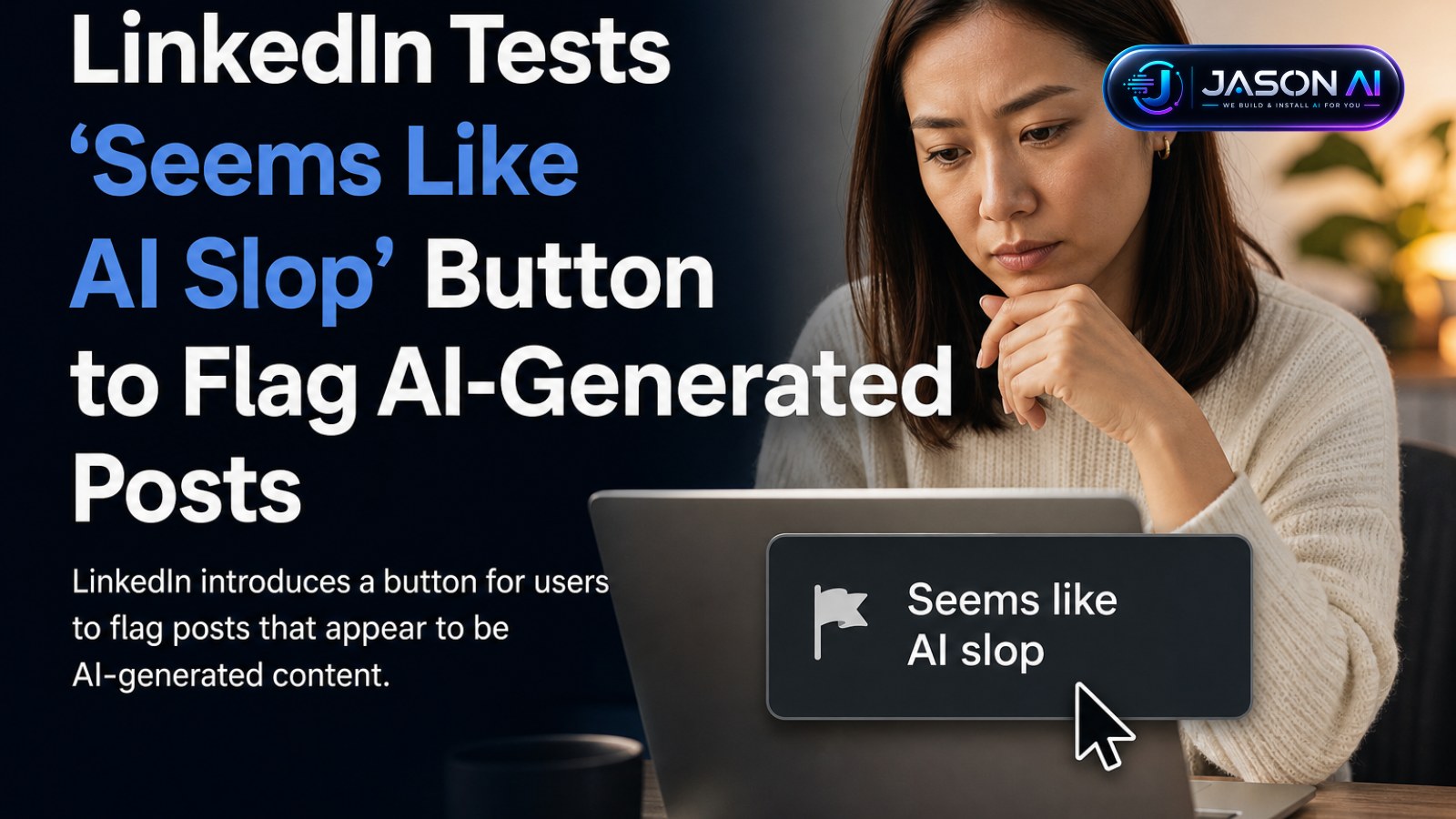
LinkedIn has introduced a new feature enabling users to flag posts that “seem like AI slop.” This button aims to help the professional network address the growing volume of AI-generated content, particularly lengthy posts from executives and corporate workers that often resemble generic thought leadership commentary.
What is the new button?
The new button, tested and reported by 404 Media, allows LinkedIn users to mark posts they suspect are produced by AI tools. Interestingly, the label uses the informal phrase “AI slop” rather than a more formal notice like “AI-generated content.” This suggests LinkedIn is acknowledging user frustration with low-quality or formulaic AI posts.
Why does this matter?
Over the past few years, LinkedIn has seen a surge in posts that appear to be generated by AI, often recycling news events into generic business insights or motivational messages. For regular users and businesses, this trend can dilute the quality of discussions and reduce genuine engagement.
By offering a way to flag such content, LinkedIn is attempting to crowdsource moderation and improve the platform’s content relevance. However, it remains unclear how the flagged posts will be handled internally or if the button will affect post visibility.
Practical effects for users and businesses
- For users: The button provides a simple tool to help clean up feeds and reduce exposure to repetitive AI-generated posts.
- For content creators: It signals that LinkedIn is monitoring AI use and may crack down on low-effort or spammy posts.
- For businesses: It could improve the quality of professional discourse and ensure that thought leadership remains authentic.
Community and industry perspective
The introduction of this button reflects wider concerns about AI content flooding social platforms. While some welcome the ability to report questionable posts, others question how effectively LinkedIn can distinguish between AI-assisted writing and genuine human content. The informal tone of “AI slop” also highlights the challenge of balancing moderation with user experience.
LinkedIn has not yet detailed the exact process for handling flagged posts or any enforcement actions that may follow.
Scope and implementation disclaimer
This feature is currently in testing and its impact on content moderation and user experience is yet to be fully understood. The button does not confirm AI usage but relies on user judgement, which may vary. Businesses and users should monitor how this evolves before drawing conclusions about its effectiveness.
For professionals interested in practical AI adoption and content quality tools, JASON AI offers resources and insights at https://jasonjuul.com.