
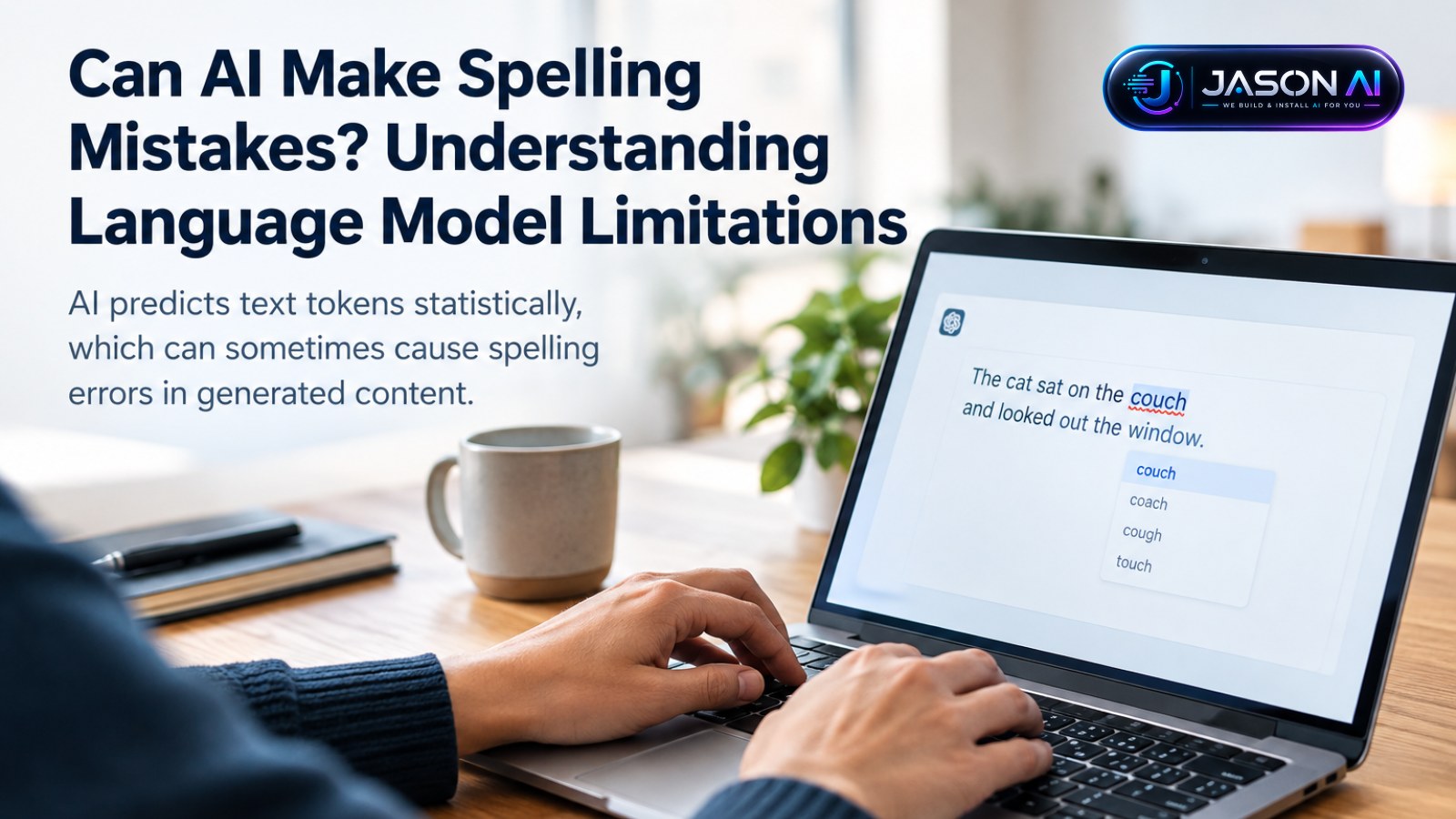
Artificial intelligence models have transformed how we generate and interact with text, but can AI make spelling mistakes? Unlike humans, AI does not truly understand words or spelling. Instead, it predicts the most likely sequence of tokens based on patterns learned from large datasets. This process can occasionally produce errors that resemble spelling mistakes.
How AI Generates Text and Why Errors Occur
AI language models operate by predicting tokens, which are segments of text such as words or parts of words, in a mathematical format computers can process. The model selects the next token based on the probability distribution derived from its training data. While this method is highly effective for generating coherent text, it is not infallible.
Sometimes, the model’s probability calculations lead to unlikely token choices, resulting in misspellings or unusual word forms. These errors are not due to a lack of knowledge about spelling rules but stem from the statistical nature of token prediction. Essentially, AI does not “know” spelling; it mimics patterns seen during training.
Practical Implications for Users and Businesses
For everyday users and businesses employing AI for content creation, understanding these limitations is important. Spelling errors can affect the professionalism and clarity of generated text, potentially impacting brand reputation or user experience.
- Proofreading AI-generated content remains essential to catch and correct spelling or grammatical mistakes.
- Businesses should consider AI as an assistive tool rather than a fully autonomous content creator.
- Continuous model improvements and dataset curation can reduce error rates but not eliminate them entirely.
Community discussions highlight that AI-generated text sometimes reflects errors present in its training data, such as typos from source documents. This further emphasises the importance of human oversight in AI applications.
As AI models continue to evolve in the competitive model race, recognising their statistical nature helps set realistic expectations for users. AI tools are powerful but imperfect assistants in text generation.
For more insights on AI automation and practical adoption, visit https://jasonjuul.com.
Disclaimer: This article is based on current understanding of AI language models and community discussions. It does not claim definitive capabilities or outcomes for any specific AI system.