
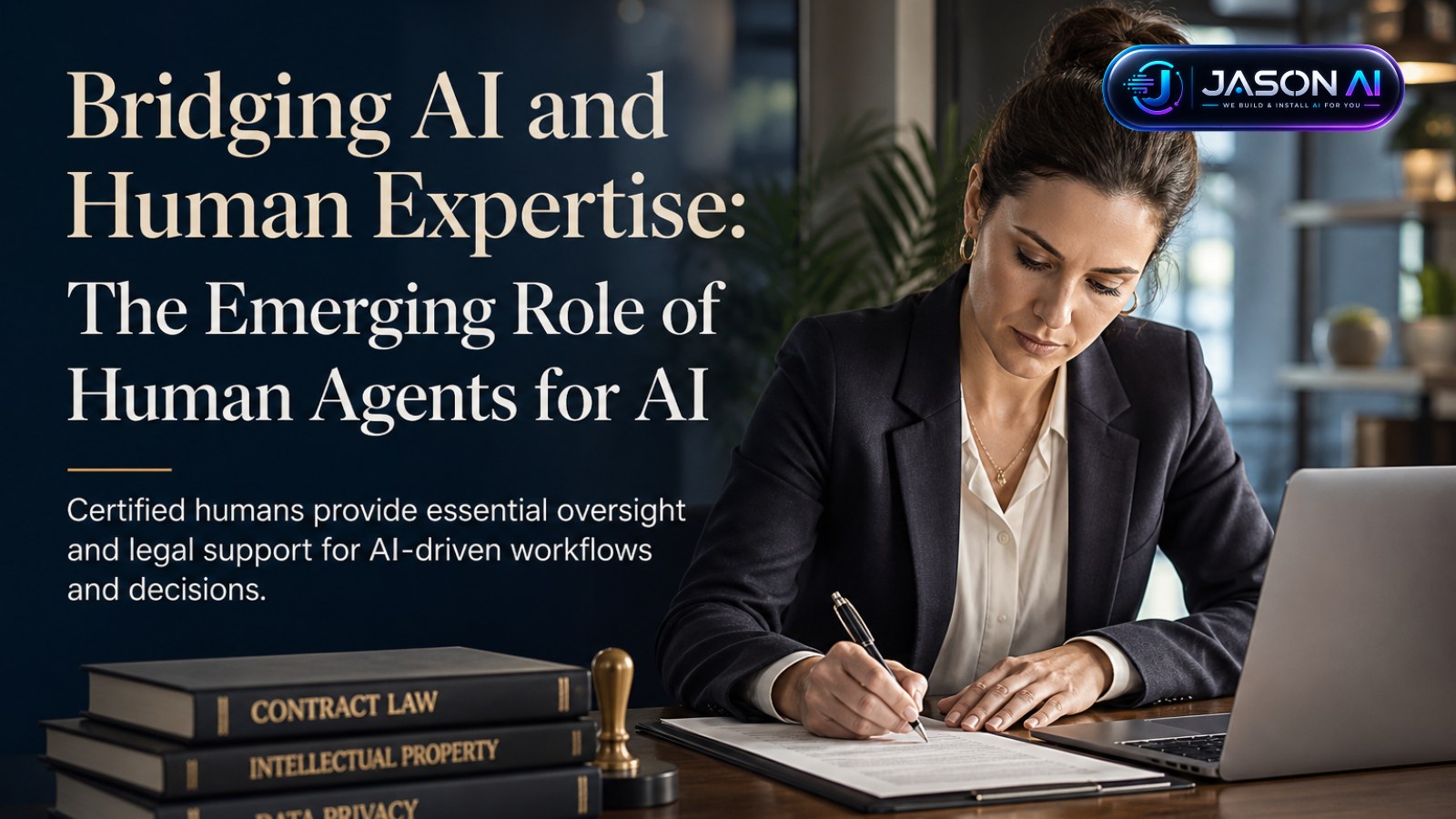
Artificial intelligence continues to advance rapidly, automating tasks across industries and reshaping workflows. Yet, despite AI’s growing capabilities, certain decisions and actions still require human judgement, legal authority, or physical presence. This gap is prompting innovative services that position certified humans as agents supporting AI systems.
Human Agents Serving AI Systems
One emerging concept flips the usual AI assistant model: instead of AI assisting humans, a real human professional supports AI agents. This service model involves certified individuals—such as lawyers or fiduciaries—who provide legal counsel, attestations, and physical-world errands on behalf of AI systems.
These human agents act as a bridge where AI’s autonomy meets legal and practical limits. For example, AI may generate contracts or filings requiring a natural person’s signature or presence. A certified human can review, confirm, and legally attest to these documents, ensuring compliance and accountability.
This approach also addresses scenarios where AI encounters ambiguous or potentially unlawful tasks. The AI can request human review before proceeding, creating a documented checkpoint that safeguards against unintended consequences.
Practical Impact for Businesses and AI Workflows
For businesses integrating AI into workflows, this human-in-the-loop model offers a practical solution to regulatory and operational challenges. It enables AI to operate with a level of human oversight that is often required in legal, fiduciary, or official contexts.
- Ensures AI-generated decisions or documents meet legal standards requiring human involvement.
- Provides a clear audit trail by timestamping requests and human responses.
- Facilitates AI operation in environments without digital APIs, such as courthouses or notaries.
- Reduces risk by allowing human judgement on complex or sensitive AI tasks.
While this service is currently niche and partly conceptual, it points to a future where AI and human expertise collaborate closely, balancing automation efficiency with human accountability.
For organisations exploring AI adoption, understanding the limits of AI autonomy and incorporating human oversight mechanisms will be essential. Services offering certified human support to AI agents can play a key role in this transition.
For more insights on practical AI integration and human-AI collaboration, visit https://jasonjuul.com.
Scope and Implementation Disclaimer: This article discusses emerging service concepts that complement AI automation with human expertise. It does not endorse or guarantee specific legal outcomes or human efficacy. Organisations should consult qualified professionals when implementing AI systems involving legal or fiduciary responsibilities.