
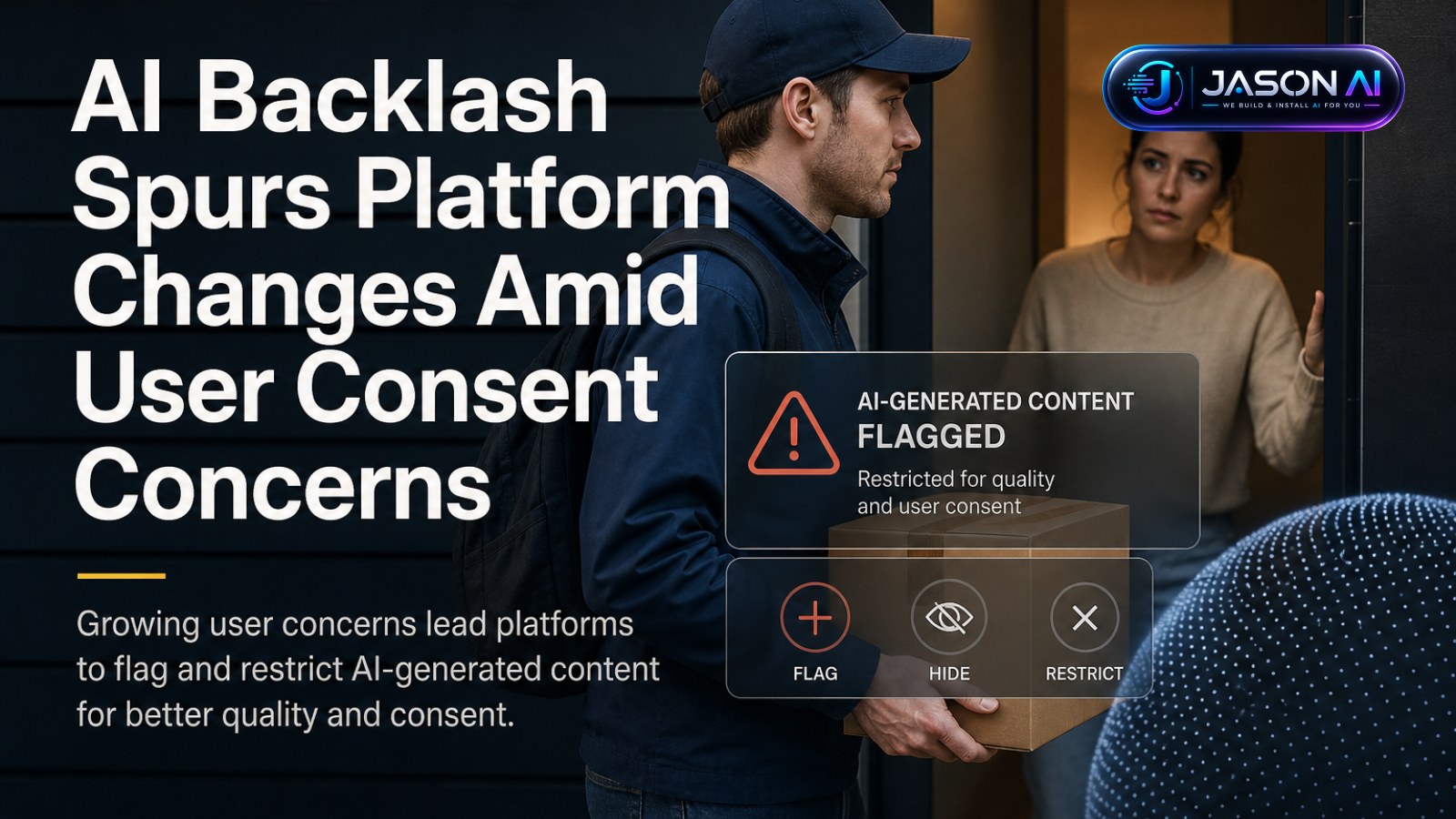
Generative AI tools are becoming ubiquitous in online platforms, but a rising backlash among users is forcing companies to reconsider how they deploy these features. Many people feel blindsided by AI content and data practices implemented without their consent, leading to increased scrutiny and policy changes.
User Consent and AI Content Quality
Recent surveys indicate a significant portion of the public, especially younger adults, view generative AI as more harmful than beneficial. Concerns centre on the lack of consent for data scraping, AI-generated deepfakes, and AI answers dominating search results. This sentiment fuels frustration and distrust towards the technology and the companies behind it.
Platforms are responding by introducing tools to identify and manage AI-generated content. LinkedIn added a “seems like AI slop” report button to flag low-quality AI posts. Snapchat banned fully AI-generated videos from its discovery feed, and Substack deployed AI detection for writers on its platform. These moves aim to reduce unwanted AI content and improve user experience.
Impact on Businesses and Broader AI Deployment
Brands incorporating AI-generated visuals in marketing have faced backlash, showing that consumer attitudes affect corporate strategies. Additionally, protests against data centres powering AI models highlight environmental and economic concerns linked to AI infrastructure.
Within workplaces, some employees resist mandatory use of AI tools, citing ethical issues and error rates. This reflects a broader hesitation to adopt AI without clear benefits or transparency.
- Public pressure has led to rapid rollbacks of controversial AI features, such as Instagram’s deepfake tool and Google Earth’s AI image edits.
- Consent remains a critical issue, with calls for tech companies to respect user rights and improve transparency.
- Environmental concerns about AI data centres have united diverse political groups in protest.
While AI continues to evolve, these developments underscore the need for responsible deployment that respects user agency and addresses quality and ethical challenges. Collective action and clear policies can shape a more balanced AI future.
For businesses and individuals exploring AI integration, understanding this evolving landscape is crucial. JASON AI offers practical insights and solutions to navigate AI adoption responsibly. Learn more at https://jasonjuul.com.
Disclaimer: This article provides an overview of current AI adoption issues and public responses. It does not endorse specific AI capabilities or outcomes and encourages readers to assess AI tools critically in their contexts.