
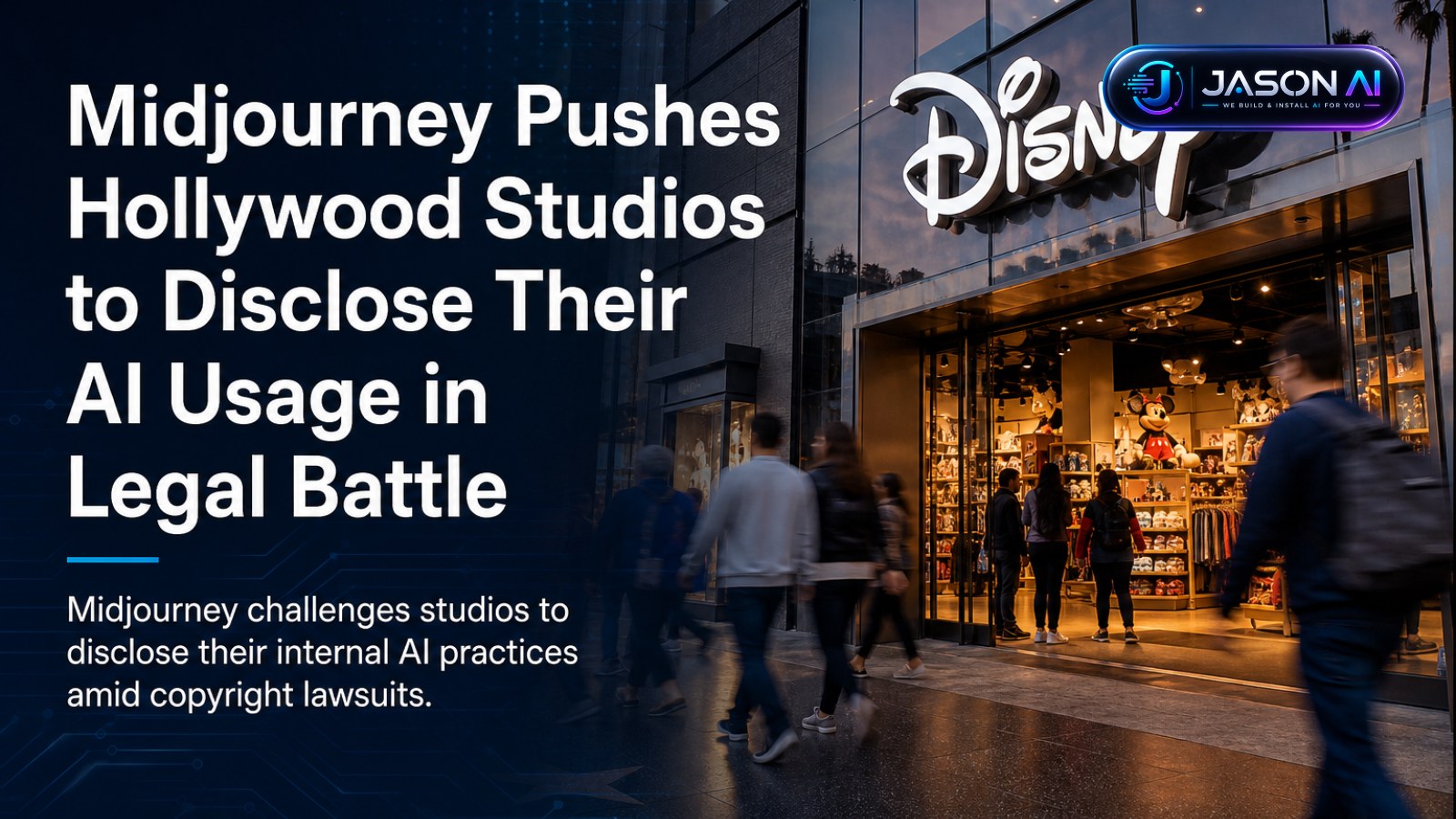
AI startup Midjourney is intensifying its legal dispute with three major Hollywood studios by demanding full disclosure of how those studios use artificial intelligence themselves. The move comes amid ongoing copyright infringement lawsuits filed by Disney, Universal, and Warner Bros. against Midjourney.
Background of the Dispute
Last year, Disney and Universal sued Midjourney, alleging that the startup’s AI image-generation models infringed on their copyrights by creating images of iconic characters like Bart Simpson and Darth Vader. Warner Bros. joined the litigation a few months later. Midjourney maintains that its training of AI models on copyrighted images falls under fair use.
Current Legal Developments
The core of the current dispute lies in the discovery process, where Midjourney seeks comprehensive documentation about the studios’ own use of generative AI. A judge previously ruled that studios must disclose AI usage only when it results in consumer-facing videos and images. Midjourney argues this limitation is unfair, as it allows studios to selectively withhold documents that might support Midjourney’s defence.
Midjourney claims withheld documents could reveal if studios are internally using AI image generation in ways similar to Midjourney’s own practices, such as for storyboarding or content ideation. This, the startup asserts, would demonstrate that downloading and training AI on unlicensed copyrighted content is an industry norm.
Broader Implications
Midjourney also requests that studios disclose all prompts used within Midjourney’s platform and the resulting outputs, not just those linked to allegedly infringing images. The studios’ lead counsel has dismissed this as a “fishing expedition,” emphasising that the studios do not aim to halt AI innovation or shut down Midjourney, but rather to prevent unauthorised copying and distribution of their intellectual property.
This case highlights the complex intersection of AI technology, copyright law, and industry practices. As AI adoption grows across creative industries, transparency on AI usage and fair use boundaries remains a critical issue.
For businesses navigating AI workflows and copyright considerations, tools like those offered by JASON AI can provide structured, compliant AI integration. Learn more at https://jasonjuul.com.
Disclaimer: This article provides an overview of ongoing legal developments related to AI and copyright. It does not offer legal advice or medical guidance. Readers should consult appropriate professionals for specific concerns.